
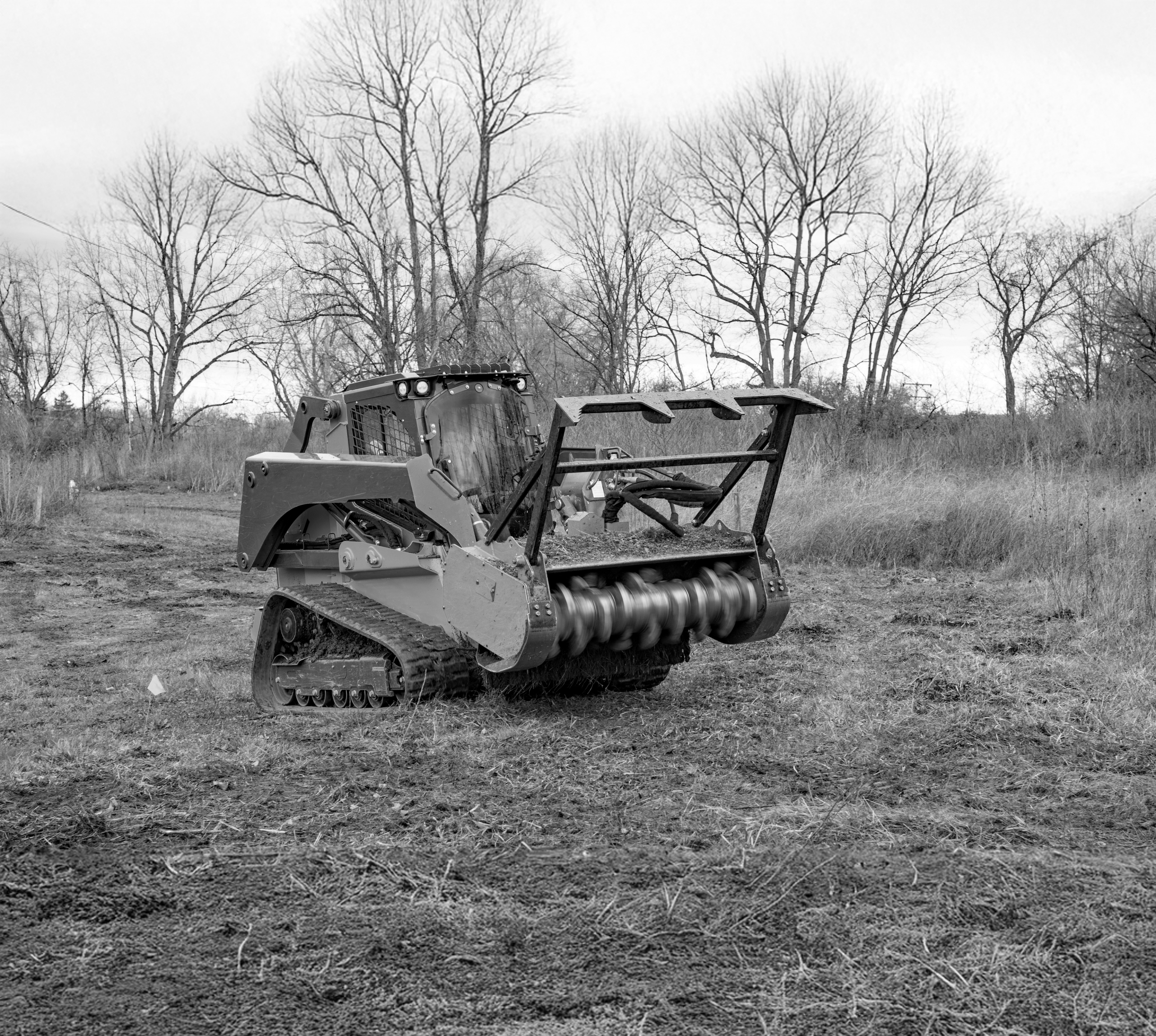
How to Extend the Life of Your Carbide Mulcher Teeth and Reduce Downtime
Carbide mulcher teeth are built for demanding work, but even the toughest teeth won’t last if they’re used incorrectly. Poor operating technique, mismatched applications, and lack of basic maintenance can significantly shorten service life and increase downtime.
The good news? A few practical changes can dramatically extend the life of your carbide teeth — and keep your mulcher working longer between change-outs.
Match the Tooth to the Application
Not all carbide teeth are designed for the same type of work. Using the wrong tooth for your terrain is one of the fastest ways to accelerate wear.
Before starting a job, consider:
- · Ground conditions (rocky, sandy, soft, mixed)
- · Vegetation type (brush, hardwood, roots)
- · Rotor speed and machine power
Heavy-duty carbide teeth are best suited to abrasive or unpredictable ground. Lighter teeth may cut faster in soft material but will wear prematurely in tough conditions.
Let the Tooth Do the Work
One of the most common causes of premature wear is overloading the tooth.
Avoid:
- · Forcing the head aggressively into the ground
- · Excessive down pressure
- · Running the rotor at incorrect speeds
Carbide teeth are designed to cut efficiently when allowed to work at the correct depth and speed. Letting the rotor maintain momentum reduces impact stress and improves overall wear life.
Avoid Prolonged Ground Contact
Carbide teeth are extremely hard, but constant grinding against soil and stone creates unnecessary abrasion.
Best practice includes:
- · Keeping the head slightly above ground where possible
- · Minimising full ground engagement
- · Lifting and repositioning rather than dragging through soil
Reducing unnecessary ground contact can significantly extend tooth life, especially in abrasive conditions.
Inspect and Rotate Teeth Regularly
Regular inspections help prevent minor issues from turning into major failures.
Look for:
- · Uneven wear patterns
- · Cracked or missing carbide inserts
- · Damage to the tooth body or holders
Rotating teeth (where applicable) ensures more even wear and helps maximise usable life across the set.
Replace Worn Teeth Before They Fail
Running teeth past their usable life can cause:
- · Damage to the tooth holder
- · Increased vibration
- · Reduced cutting performance
- · Higher repair costs
Replacing teeth at the right time often saves money overall by protecting the rotor and holders from unnecessary damage.
Keep Holders and Hardware in Good Condition
Even the best carbide teeth won’t perform properly if the holders are worn or damaged.
Check for:
- · Loose or worn bolts
- · Cracked holders
- · Poor seating of the tooth
A worn holder can cause uneven loading on the carbide insert, leading to premature failure.
Train Operators on Proper Technique
Operator technique has a huge influence on wear life. Inconsistent cutting depth, incorrect angles, and excessive force all contribute to faster wear.
A short training session or refresher on correct operation can pay for itself quickly in reduced downtime and longer tooth life.
Need Advice on Carbide Mulcher Teeth?
At Xtreme Wear Parts, we specialise in heavy-duty carbide mulcher teeth for forestry and land clearing applications. If you’re looking to improve wear life or reduce downtime, our team can help you select the right solution.